
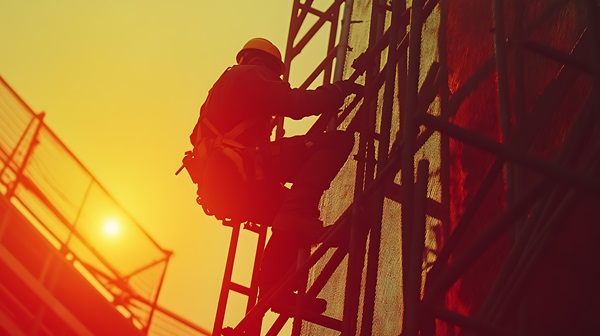
How routine elevated work turns into serious fall injuries
Working at height has a way of humbling even the most experienced crews. One moment, the task seems routine. Next, you realize gravity is waiting patiently for a mistake. Ladders and scaffolds are everyday tools on many job sites, which is exactly why they deserve more respect than they often get. When used thoughtfully, they make work possible. Using them carelessly can lead to a serious workplace injury.
Over the years, fall hazards have drawn increasing attention across industries, and for good reason. Falls remain one of the leading causes of serious workplace injuries. Ladders and scaffolding are often at the center of those incidents, not because they are inherently unsafe, but because they are easy to misuse when time pressure and familiarity creep in.
Why do ladders and scaffolds create such serious fall risks?
Ladders and scaffolds increase fall risk because they place workers in elevated positions where small mistakes can have serious consequences. Here's why:
- Balance and footing become critical at height, and even a slight shift in weight or uneven surface can lead to a loss of control.
- Ladders can create a false sense of security, since they are quick to set up and easy to move, even when they are not the safest option for the task.
- Common ladder mistakes increase risk, including overreaching, standing too high, and working with both hands while trying to maintain balance.
- Scaffolds introduce additional hazards, such as greater height, more equipment, and multiple workers using the structure at the same time.
- Missing components increase danger, especially when planking is incomplete, guardrails are absent, or access points are improvised.
- Shortcuts can have serious consequences, as scaffold falls often result in more severe injuries than ladder-related incidents.
When is a ladder not the right tool for the job?
Ladders are best suited for short-duration tasks that require minimal movement and allow the worker to maintain balance easily. Problems arise when ladders are treated as work platforms rather than as access tools. Tasks that require extended time at height, two-handed work, or significant force often push ladders beyond their intended capacity. Drilling overhead, handling heavy tools, or working around obstructions can force workers to lean or twist, shifting their center of gravity outside the ladder’s safe zone.
Another issue is access. Ladders placed on uneven ground, gravel, or cluttered surfaces may look stable at first but can shift unexpectedly. Using a ladder that is too short or positioned incorrectly can lead to overreaching, which is one of the most common causes of ladder-related falls. Recognizing when a ladder isn't appropriate is a key safety skill. Taking a few extra minutes to choose a safer option can prevent months or years of recovery from a serious injury.
How can scaffolding improve safety for elevated work?
Scaffolding can provide a safer alternative when work at height becomes more complex. A properly erected scaffold offers a level, stable platform that allows workers to stand comfortably and focus on the task rather than maintaining balance. One of the biggest advantages of scaffolding is proximity. Being able to get close to the work reduces the need to lean or reach, which significantly lowers fall risk. Scaffolds also allow workers to use both hands freely, which makes them better suited for tasks that involve drilling, fastening, or handling materials.
That said, scaffolding is only safer when it's set up correctly. Full planking, secure connections, guardrails, and toe boards all play a role in fall prevention. Proper access is equally important. Cross braces are not ladders, and improvising access points creates unnecessary hazards. Daily inspections are another key factor. Scaffolds that remain in place over multiple days should be checked regularly by a competent person. Weather, movement, or changes to the structure can all affect stability, and small issues can quickly become serious risks if overlooked.
What common mistakes lead to ladder and scaffold accidents?
Common ladder and scaffold accidents often result from everyday shortcuts that become normalized over time. The mistakes that typically lead to falls from heights include:
- Standing on the top rung of a ladder to gain extra height instead of repositioning the ladder.
- Carrying tools or materials while climbing, which reduces balance and increases the chance of a slip or fall.
- Placing ladders on uneven or unstable surfaces, including gravel, debris, or sloped ground.
- Using ladders as work platforms rather than as a means of access.
- Leaving scaffold components out, such as planks or guardrails, because the task is expected to be brief.
- Overloading scaffolds with workers, tools, or materials, often without accounting for weight limits.
- Rushing the setup or the work, allowing time pressure to override basic safety steps.
These mistakes rarely cause problems right away, which is why they persist. Over time, however, shortcuts increase the likelihood of a serious fall, often when it is least expected. Preventing ladder and scaffold accidents doesn't require complicated solutions. It comes down to consistency, awareness, and knowing when to slow down. Inspecting equipment before use can catch damaged rungs, loose parts, or missing components before they cause a fall.
Get legal help from a San Diego lawyer after a workplace fall injury
A fall at work can be devastating and affect everything from your health to your ability to earn a living. Robert A. McLaughlin, APC, helps injured workers who were hurt in on-the-job falls pursue workers’ compensation benefits across California. Whether your fall happened on a construction site, in a warehouse, at a hospital, or any other workplace, the firm can step in to handle the paperwork, deal with insurance companies, and challenge denied or reduced claims while you focus on healing.
Your consultation is free, and you pay nothing upfront. Our law firm works on a contingency fee basis, which means there are no legal fees unless benefits are recovered for you. Serving workers throughout San Diego County, the next step is to report your injury to your employer and contact the firm as soon as possible. Contact us to protect your rights, preserve your claim, and put experienced legal guidance on your side when you need it most.
"Been a client for years, and their office has helped me for years. They have 30+ years in law. They are very knowledgeable. I highly recommend." - Ralph T., ⭐⭐⭐⭐⭐